
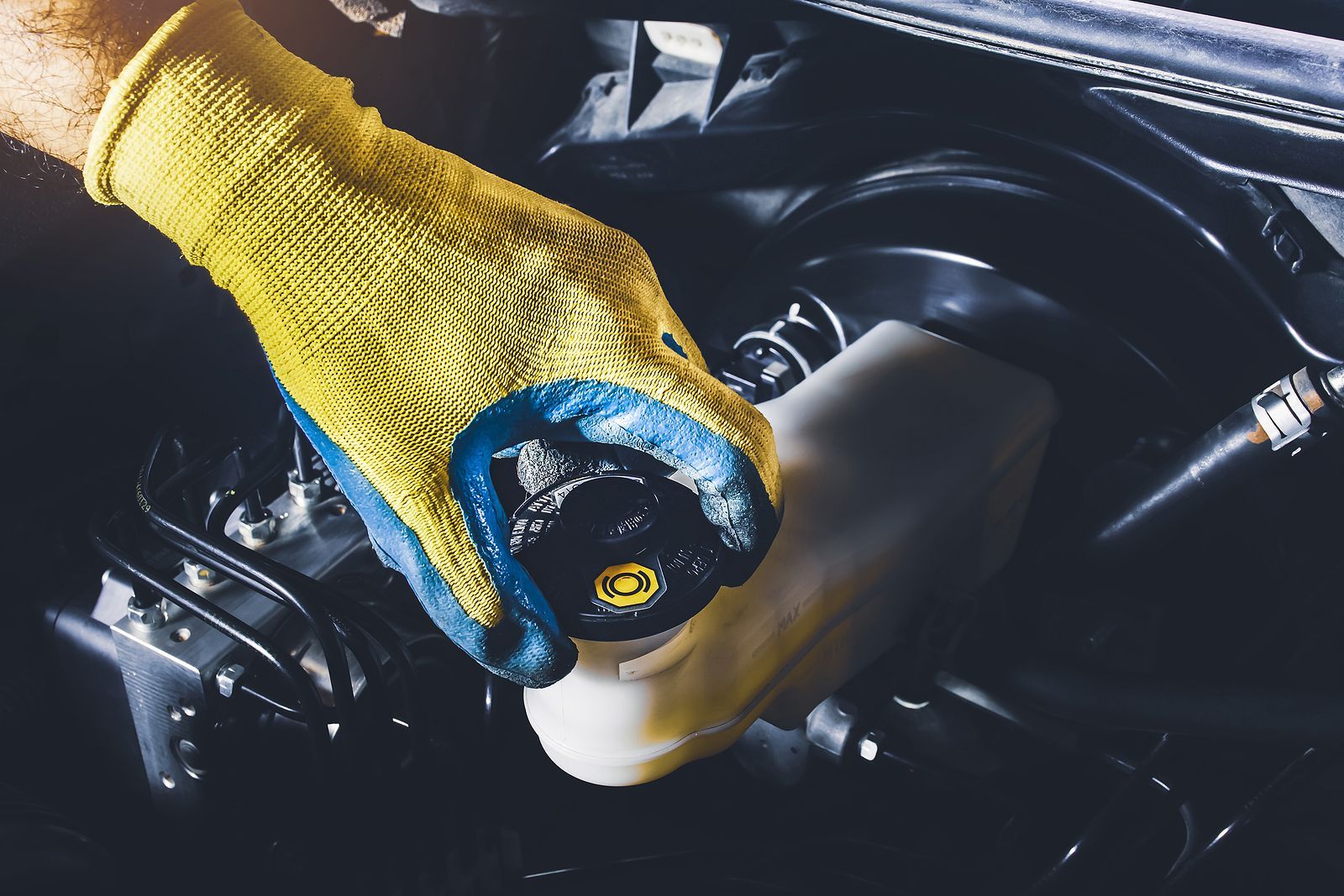
One of the most valuable assets that someone will ever own is their vehicle. When you are a car owner, you’ll want to make sure that you’re maintaining properly and keeping it in good condition. One part of this is ensuring that all of your vehicle fluids are full and clean at all times. There are various auto fluids that need changed on occasion. Engine Oil The most common vehicle fluid that you will change from time to time is your engine oil. Engine oil is essential as it helps to protect your engine and ensure it runs efficiently. Depending on your type of vehicle and the form of oil used, you will need to have it changed after every 3,000 to 5,000 miles driven. Doing this will ultimately protect your engine and keep it running well. Windshield Wiper Fluid The windshield wipers of your vehicle are important and necessary as they can help ensure you are able to clean dirt and debris off of your windshield. For them to work properly, you will need to have windshield wiper fluid. Generally, this will need to be replenished a few times per year. However, this varies based on how much you drive and your typical driving conditions. Brake Fluid The brakes of your car ensure you are able to stop when necessary. As there are a lot of different parts and components in your brakes that are needed to work well, it can cause friction when using the brakes. The use of brake fluid can help provide some lubrication and ultimately will protect your brakes. You should check this fluid with each vehicle service and may need to have it replaced entirely every few years. Transmission Fluid The transmission of your car is necessary to ensure you can shift gears when changing speeds. Your transmission has various components that can also cause friction when in use. To ensure that your transmission is protected, you will want a full and clean supply of transmission fluid. A transmission fluid exchange service generally is needed every few years but could be required more frequently in some cases. It continues to be very important that you properly maintain and care for your vehicle. One part of this is ensuring that you replace your vehicle fluids on time. There are various fluids to change in the vehicle on occasion, which can help ensure your car continues to be efficient and safe to drive.
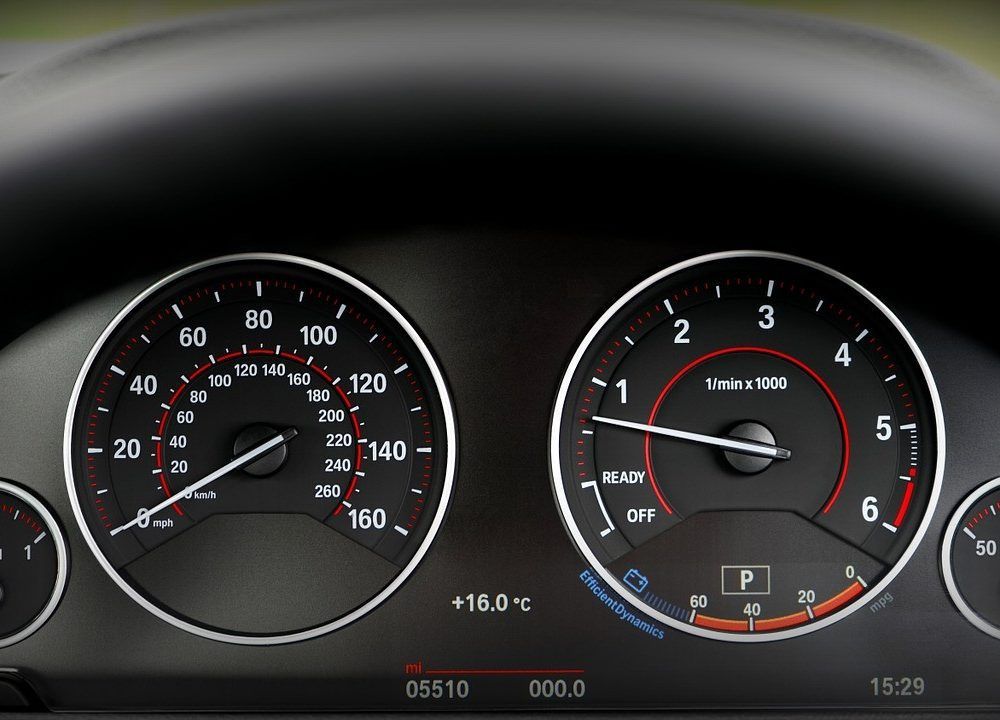
Every car owner has been there. You are enjoying your drive, and suddenly the “check engine” light turns on. In such moments, your first worry is to panic. Why is my check engine light turned on? Will my car suddenly stop running in the middle of the road? If you are in an isolated place, you also get concerned about your safety or where you can get help. The good thing is that there is no need to panic. Although this is something you should not ignore, it does not mean your engine is about to explode. Here are five reasons why your check engine light turned on. Faulty Catalytic Converter A catalytic converter is responsible for converting carbon monoxide into carbon dioxide. This ensures harmful gases are not emitted, hence protecting the environment. Most catalytic converters can serve you well the entire lifetime of the car. A spoiled catalytic converter reduces fuel economy. It is good to have the catalytic converter inspected and fixed if you notice reduced fuel efficiency, decreased performance, and a strange smell. Your Oxygen Sensor Needs To Be Replaced Another reason for the check light engine turning on is the oxygen sensor. It is located in the car’s emission control system. Its purpose is to ensure your engine runs at peak performance and burns the right amount of fuel. This reduces its ability to check the oxygen mix and fuel system in the engine, hence malfunctioning. To have this fixed, go to the auto repair shop. Replacement for Mass Airflow Sensor To determine the amount of fuel needed for the engine to run, the amount of air entering the engine needs to be measured. That is the responsibility of the mass airflow sensor (MAS). It is susceptible to dirt and oil buildup. If you do not service your car regularly, your MAS will start malfunctioning and provide incorrect information. This will contribute to failure in other parts of the engine, leading to reduced engine performance. Faulty or Loose Gas Cap Can a loose gas cap really cause issues? Is it one of the reasons my check engine light is on? It may seem like a small thing, but it can also contribute to the check engine light turning on. A loose or faulty gas cap can throw off your car’s emission system due to fuel vapors leaking out. This leads to reduced vehicle efficiency. Fortunately, fixing is easy. Check the gas cap. If it is loose, tighten it, and if it is damaged, visit a mechanic and have it fixed. Faulty Spark Plugs A spark plug can last anything between 45,000-125,000 miles, depending on the year the car was manufactured. But when it is faulty, it will cause spark plug wires to start misfiring, and this will cause the warning light to turn on. If you are facing any of these issues, Pat Doll Automotive LLC can sort you out. We are an auto repair shop that will come and tow your car, take it to the repair shop, and fix it. We offer a variety of services, including transmission and engine work and general vehicle maintenance. Call us today.
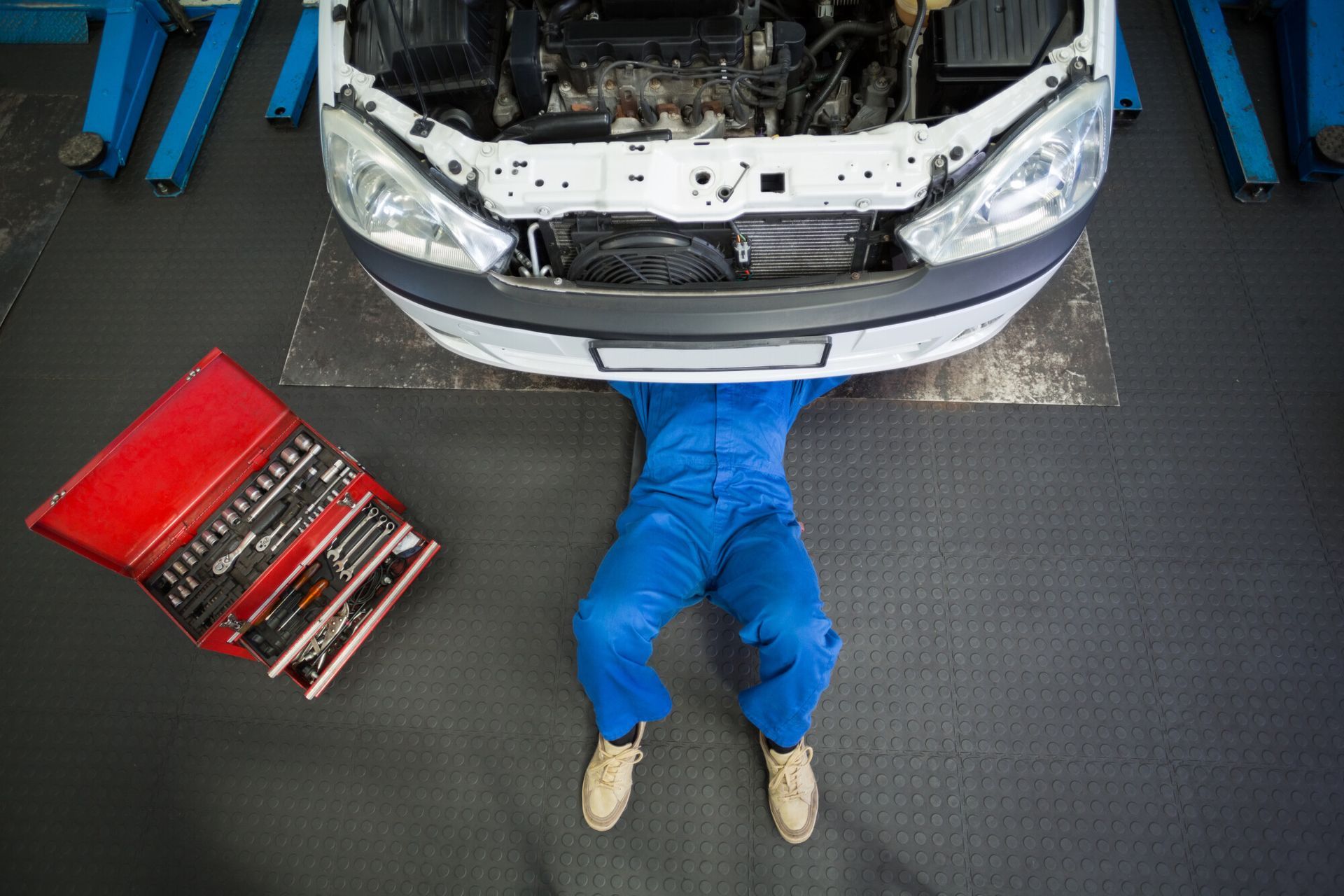
If you’re a new car owner, you’re probably asking, “How often should I take my car to the shop?” While there is no one-size-fits-all answer, these guidelines can help you: How Often Do I Take My Car To Get Maintenance Repair? Manufacturers provide guidelines in their manuals for all vehicle owners on when to get the most crucial maintenance work done. Those guidelines are designed to help vehicle owners preserve their car’s life for as long as possible. Failure to follow the maintenance protocol can cause your vehicle’s performance to suffer greatly if you miss the appointments. For example, oil changes are vital to the engine. Most manufacturers recommend that vehicle owners change their oil every 3,000 to 12,000 miles. The manufacturers also express these increments in terms of months or years. Getting regular oil changes will prevent friction and caking issues, and it will ensure that your motor receives its essential lubrication. You’ll also need to have your car’s filters changed. Tune-ups and spark plug changes also have guidelines for maintenance. Furthermore, you’ll have to keep an eye on your tires. Your tires will need to be rotated, balanced, and aligned at certain times to prevent uneven wearing. Generally, vehicle owners should rotate their tires every 5,000 to 7,500 miles. Wheel alignments have more extended requirements, so you may only have to do that once every two or three years. However, you should take your car to a mechanic if you notice that your vehicle pulls to the right or left while driving. Know When To Take Your Car for a Checkup It’s wise to take your car in for a checkup to ensure everything is running smoothly. You may choose to have someone look at it every few months, or you can take it once a year. Think of your car as an extension of yourself. You visit the doctor at least once a year for a checkup. Why not give your vehicle the same care? The mechanic may spot a minor problem that he or she can fix immediately. That observation may save you thousands of dollars. Respond to Issues Immediately Most vehicle owners make the mistake of waiting to take their cars to the repair shop because of time restraints and financial problems. However, it’s always best to let someone look at your vehicle when you notice something wrong. Some shops offer discounts and promotions to their newest members. Other shops provide credit services from third-party providers. You can even go to a friend or family member to see if you can get assistance with your vehicle. Getting help right away is paramount if you want to maintain your vehicle’s health appropriately. Now you know more about how frequently you should take your vehicle to an auto repair shop. The truth is that you should see your local repair shop regularly. Don’t be shy with your car. Allow experts to care for your vehicle so that you can get the most out of it daily.
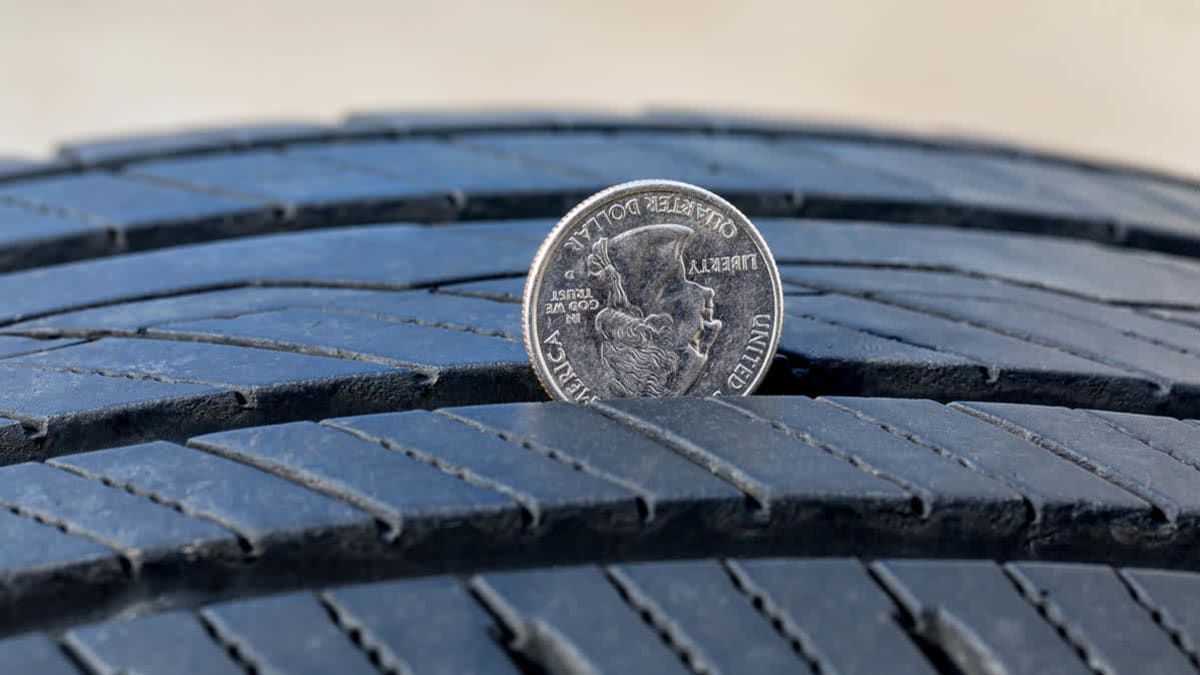
Today’s tires are manufactured to last for years and withstand all sorts of nasty weather conditions; however, that doesn’t mean they’re invincible. You’ll need new tires at some point. Luckily, knowing when to get new tires isn’t a guessing game. Continue reading to learn a few of the signs that it’s time to get new tires. Old age The first thing to consider is your tires’ age. Many manufacturers offer tread wear guarantees of at least 60,000 miles, but that doesn’t mean you should wait to hit that mark. We recommend replacing your tires every six years or so because the rubber starts to naturally break down throughout the years, increasing the chance of a blowout. Shallow tire tread Perhaps the easiest way to tell when to get new tires is to perform the penny test. In this test, take a penny, and stick it into the tire tread with Lincoln’s head pointed down into the tread. If any of the top of Honest Abe’s head is visible, you need new tires because your tread is overly worn. Be sure to perform this test on all four of your tires and to check a few different spots on each tire. Some tires can wear down faster than others, and each tire can wear down unevenly. Uneven tread wear Speaking of uneven tread wear, that’s another one of the signs you need new tires. Here’s a quick breakdown of common types of uneven wear to lookout for: Center wear: You could be overinflating your tires if the center of your tires tends to wear down faster than the edges. In addition to wearing your tires down two times faster, overinflation leads to a bumpy ride and poor control in wet conditions. Always follow your manufacturer’s recommendation for inflation. Edge wear: The flip side of center wear is edge wear—when the edges wear down faster than the center of the tire. As you may be able to guess, edge wear is the result of underinflated tires. Keep in mind that older tires are more prone to losing tire pressure, so it’s a good idea to check them all at least once a month. Inner or outer wear: If your tire’s inner or outer edge is more worn than the center or other side, this is a more serious issue than inflation. In fact, you could have an alignment problem on your hand. Your mechanic should already know to adjust the alignment if he/she sees the tread wear, but be sure to ask about having your vehicle’s alignment adjusted. Driving with improper alignment for too long ruins your tires and can even lead to suspension issues. Get your tires from us Don’t wait around and continue driving if you’ve noticed any of the signs you need new tires. Instead, come down to Pat Doll Automotive LLC to get a new set of tires. We offer some of the best prices on the top name brands, so contact us today to schedule your appointment.
There are tons of signs that something’s wrong with your vehicle, but some of the leading indicators are weird car noises. Generally speaking, you should bring your car to a mechanic as soon as you hear anything strange coming from your car. Keep reading to learn a few common car noises to be aware of. Tires You won’t get too far without a good set of tires on your car. Watch out for any of these common car noises that are signs of bad tires: Squealing: It’s actually pretty common for tires to squeal, especially when making a sharp turn. The most likely cause of this sound is an underinflated tire. If you constantly hear a squealing sound, stop by a gas station and inflate those tires. Humming: You’ll always hear some road noise while you’re driving along, but if there’s a constant hum that seems to get louder as the speed increases, something’s wrong. That humming sound typically results from uneven tread wear, so it’s time to get new tires right away. Brakes Your brakes are essential for your safety and the well-being of other drivers on the road. Bring your vehicle to a pro as soon as you hear any of these weird car noises: Squeaking: Brake pad manufacturers install wear indicators in each pad to alert drivers when it’s time for new pads. These wear indicators are tiny pieces of metal that squeak when they make contact with the rotor disk. It simply means it’s time for new brake pads if you hear this sound. Grinding: Hearing a grinding sound when applying the brake could be a costly problem if it’s not addressed soon. This sound means your brake pads are completely worn through and you’re soon going to damage the rotor disks. See a brake specialist right away about getting new brakes. Steering The steering system is also essential in safely getting from point A to B. Here are a few sounds that mean you could be in trouble: Whining: A whining or squealing noise when you turn the steering wheel often indicates that your vehicle is low on power steering fluid. Topping off your power steering fluid can be enough to fix this issue, but it doesn’t hurt to bring your car to a mechanic to look for leaks. Popping: A popping or clicking sound when you turn the wheel indicates an issue further down in your suspension or wheels. Popping often indicates worn suspension joints, while clicking points towards bad constant velocity (CV) joints. Your best bet is to see a mechanic to diagnose the issue. Bring your car to our pros It doesn’t matter which of these common car noises you hear—we’re the team to fix it. Pat Doll Automotive LLC has been servicing all sorts of makes and models for over 84 years, so you can trust that we know what we’re doing when we’re working on your car. Come in for emergency repairs or schedule routine vehicle maintenance to keep your car in tip-top shape.
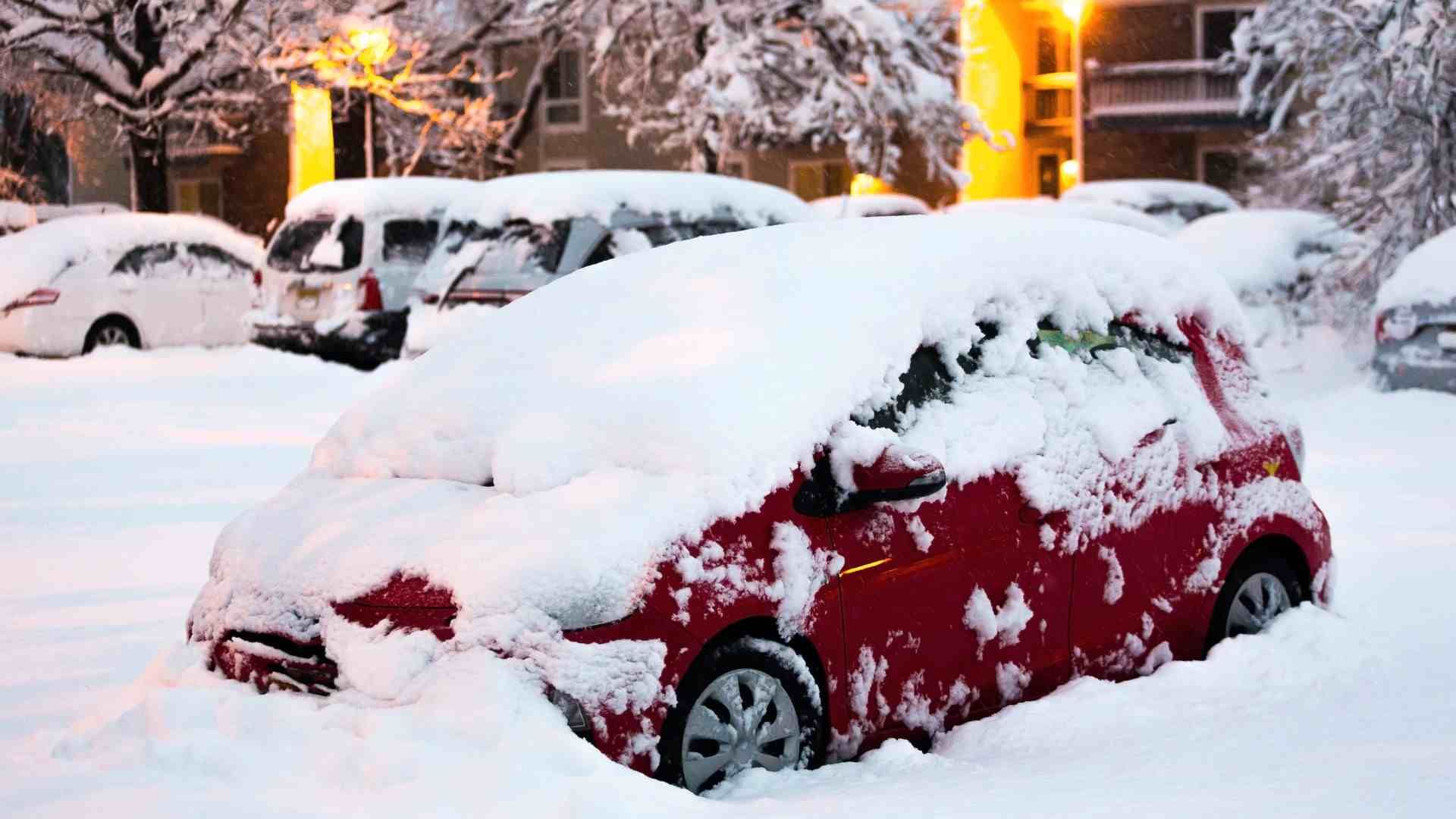
There’s nothing more annoying than dealing with a car that won’t start on a winter morning. When temperatures drop, there are several things that can impact the performance of your vehicle, making it difficult to start the engine. If your car is not starting in cold temperatures, here are some of the common causes and solutions. Why is my car not starting in cold weather? Cold temperatures take a toll on many of your vehicle’s essential components, making it harder for your car to get started. Some of the common causes of the problem include: Cold batteries: When temperatures get cold, battery performance suffers. Batteries rely on chemical reactions to provide a charge, and they slow down in cold weather. It makes it harder for the battery to do its job, negatively impacting starting power. Thickened fluids: Cold temperatures thicken essential fluids including oil, transmission fluid, antifreeze and more. When fluids thicken, it’s harder for them to flow freely through the engine. This reduction in performance places extra strain on the battery, making it harder for you to start your car. Moisture in fuel lines: If your car has worn fuel lines, cold temperatures can freeze moisture that’s seeped in over time. A fuel blockage results in an engine that won’t start. If your battery is in good shape but your car still won’t start, it could be a problem with your fuel lines. How to start a car in cold weather If you’re having issues starting your car on a cold day, don’t panic. Try some of these simple methods to get your engine fired up in no time: Cycle the key: Before you put the key in the ignition, make sure all electronic components like the headlights, heater and radio are switched off so they won’t pull energy from the battery. Next cycle the key by putting it in the ignition and turning it from off to start 10 This effectively warms up the battery and starter and can usually get your car running. Jump-start the battery: If cycling the key doesn’t work to get your battery going, find a family member, friend or neighbor who can jump-start your car. Once the car is running, visit your local auto service shop for a battery test, since you’re likely dealing with a weakened battery that will die again. Call for assistance: If your engine still isn’t turning over after you’ve tried the methods listed above, call roadside assistance to get your car to your nearest auto service shop where a technician can quickly diagnose and treat the problem. Usually, all it takes is investing in a new battery to get the problem taken care of and keep your car running reliably all winter long. If your car won’t start in cold temperatures, bring it to Pat Doll Automotive LLC . We’re vehicle maintenance experts, and we know what it takes to keep your car running reliably—no matter how cold the winter gets.
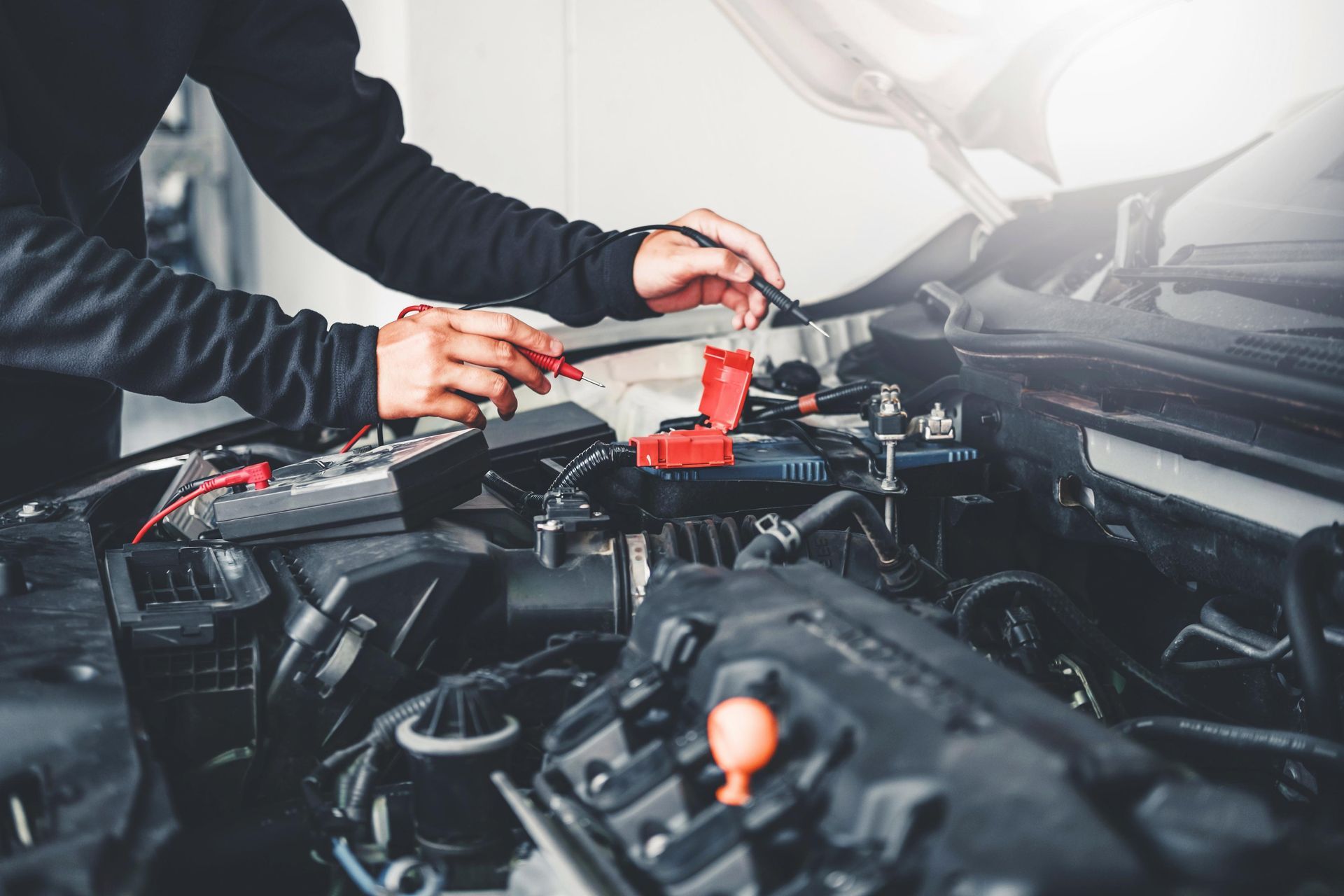
A battery is one of the most important components in every vehicle, and it plays a crucial role in both starting and powering a vehicle. Unfortunately, batteries don’t last forever, requiring periodic replacement. How can you tell if you should consider replacing your car battery? Look for these five signs that you should have your car battery replaced . You have difficulty starting the vehicle Batteries provide the starting power for vehicles. If you’re noticing difficulty starting the ignition or turning over the engine, you likely need to get your car battery replaced. If you’re noticing a slow or weak start, the components in your battery are likely wearing out, and it will take a few more seconds than usual for the engine to turn over. Rather than waiting for your battery to die completely, invest in a replacement battery—otherwise you could risk getting stranded with an engine that won’t start. Your dashboard warning lights are on Has the check engine light on your dashboard suddenly illuminated? Don’t ignore it, as this often indicates a problem with either the battery or one of the car’s computers. The cause of the problem is usually a weakened battery or an alternator that isn’t returning a charge to it. Consult with a mechanic to determine whether the battery is failing or if the check engine light is engaged for another reason. You’re noticing electrical malfunctions If your vehicle’s electrical components, like power windows, door locks or electric seats, aren’t as responsive as usual, the cause could be a weakened battery. A failing battery can’t power all the electric components of a car as well as it should. Give your electronic components a quick test; if you notice anything strange, take the vehicle to a trusted auto repair shop immediately. You’re experiencing poor performance in cold weather In a place like Wisconsin, cold weather is the norm throughout the winter—that means you need to be especially mindful of the condition of your battery. When temperatures drop, batteries can freeze, slowing down the chemical reactions required to power your car and reducing performance of the battery. Battery life drains quickly in the winter since maximum current is required to power your car in cold weather. A newer battery will manage cold temperatures more efficiently, so you’ll never have to be worried about getting stranded on the side of the road in inclement weather. You smell a strange, new odor One of the most telltale signs of a failing battery is a strange, foul smell similar to rotten eggs. This odor is usually an indication that the battery is leaking gas. You need to take your vehicle to your preferred auto service shop right away, since these destructive gases can damage multiple parts of your vehicle. Replacing your car battery is essential if you notice any of the signs described above while operating your car. Bring your vehicle to the experts at Pat Doll Automotive LLC for quick and convenient battery replacement at affordable rates.
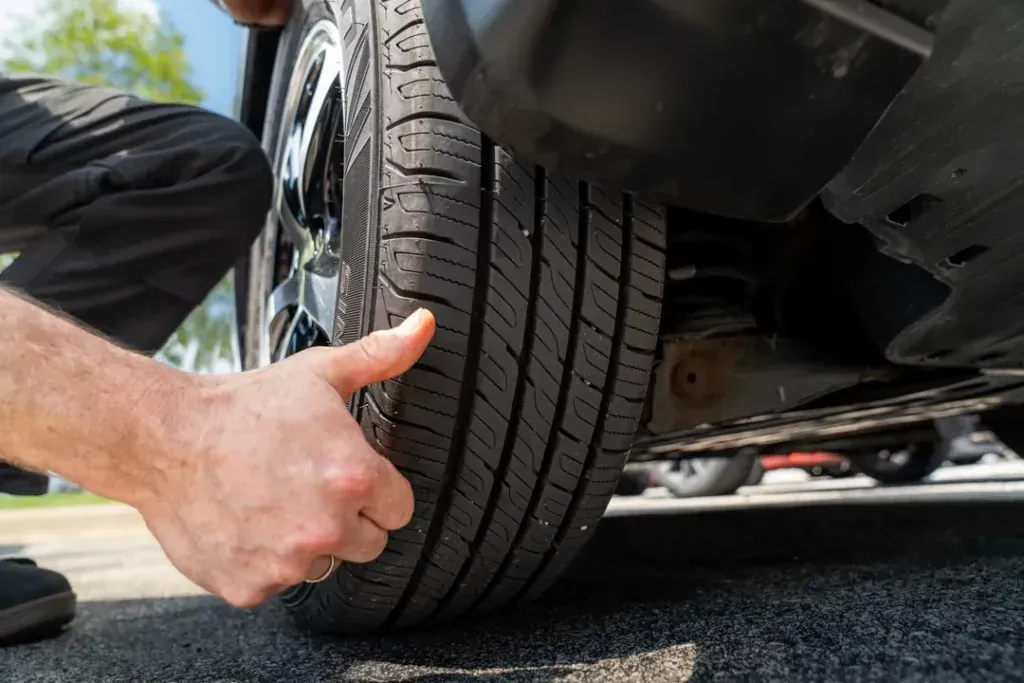
Rotating your tires regularl y probably isn’t at the top of your list of “things to do for a good time.” But it should definitely be near the top for “ways to keep you and your family safe while driving in your car.” It’s not something you need to do very often, but rotating your tires is something that should be done on a regular basis. Tire rotation importance should not be overlooked, as it can not only keep everyone in the car safe, but it can also save you money on car maintenance. Here are some more benefits of tire rotation. Proper rotation makes tires last longer Tires wear out—it’s just a fact of life. They are not meant to last forever, but there are some things you can do to extend the life of those tires as much as possible. One of the things you can do to make your tires last longer is to have them rotated regularly. On most vehicles, you should have this done once every 3,000 to 5,000 miles. A good way to make sure you have your tires rotated regularly is to have them rotated when you bring the car in for an oil change. Since both services are typically recommended to follow roughly the same schedule, this is an efficient way to keep up with proper car maintenance. Tires wear evenly when rotated regularly You may have noticed that there’s a difference between the wear on your front tires compared to your rear tires. That’s because front tires tend to wear more quickly, especially in cars with front wheel drive. Tires that have worn too unevenly can lead to poor handling on the road, especially in slippery conditions. Rotation can uncover lurking problems Tires can sometimes develop problems like cupping and blistering (bulging) in the sidewall. Cupping refers to uneven wear on the tread of an individual tire, and it could lead to poor handling or braking. Blistering can lead to a flat tire or a blowout when driving. Since we generally don’t spend a lot of time checking out our tires, these problems may go unnoticed until it’s too late. One of the benefits of regular tire rotations is that these issues will likely be caught and can be fixed sooner rather than later. Rubber meets th e road There’s a reason for the saying “where the rubber meets the road.” It means that this is the bottom line, that this is what matters when all is said and done—because when all is said and done, this is the part of your car that connects it to the ground, and if this part is not secure and functioning properly, then nothing else under the hood or inside the car will matter. When you need to have your tires rotated, or require any other car maintenance service, reach out to the experienced pros at Pat Doll Automotive LLC today. We have the experience and tools to keep your car running right for life.
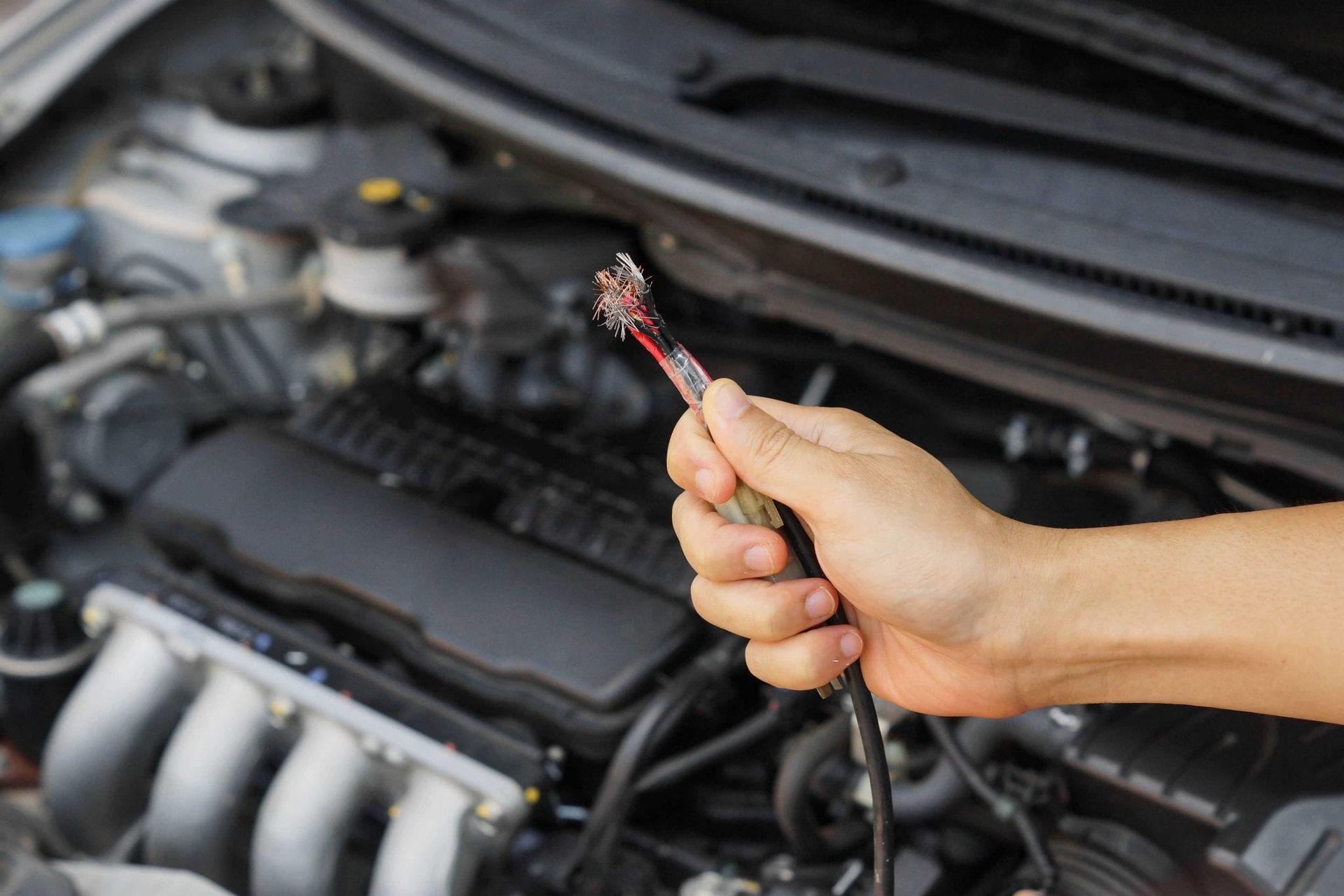
A reliable car can get you far in life (no pun intended). Knowing you will be able to make your appointments on time, get to and from work and run errands without car trouble makes life much easier. One way to help make this a reality is to get a reliable vehicle. But even the most reliable vehicles will need proper maintenance to keep working well, and that means it’s up to you to protect your car’s engine. When it comes to how to protect the engine, there are a few things to consider. Thankfully, most basic maintenance items don’t require any serious automotive expertise to address. Here are some ways you can protect your car’s engine. Regular oil changes Getting regular oil changes is one of the easiest and most important things you can do to protect your car’s engine. Modern cars need an oil change once every 5,000 miles (some may be able to go for longer between oil changes, so check your owner’s manual), while older vehicles should get one once every 3,000 miles. That usually translates to getting an oil change two to three times per year. When the oil is changed, the oil filter should be changed as well. This is standard practice when you take your car to get an oil change. Remember, it’s okay to decline requests for additional services if all you want is an oil change! Check the air filter Another good thing to do on the same schedule as your oil changes is check the air filter. Making sure the air filter is clear of debris and not caked with dust or dirt is a good way to protect your car’s engine. When you take your car in for an oil change, you can ask to have this checked—it’s often done at no extra charge, and can usually be replaced quickly on the spot if needed. Don’t run on empty Your car’s gas tank will begin to collect sediment from gasoline after a while. The fuel filter catches a lot of this, but some of it eventually settles at the bottom of the gas tank. Consistently driving your car until it’s very low on gas can pull up that sediment and run it through the fuel filter, which can cause engine damage. To avoid making your engine work harder than it needs to, you should always try to keep from running too low on gas. Look for leaks Leaks are a sign that your car’s engine is unhealthy, so it’s a good idea to keep an eye out for any leaks that appear underneath your car. If you notice fluids dripping from your car (other than normal condensation from your AC system), or oil stains starting to form in your normal parking space, don’t let it slide. Take your car to a mechanic to have it checked out as soon as possible. Protecting your car’s engine starts with being attentive to regular maintenance. You don’t have to know how to work on cars to keep it running well, but it’s important to keep a regular maintenance schedule. For regular maintenance, or to fix any issues that may arise with your car’s engine, contact Pat Doll Automotive LLC today.
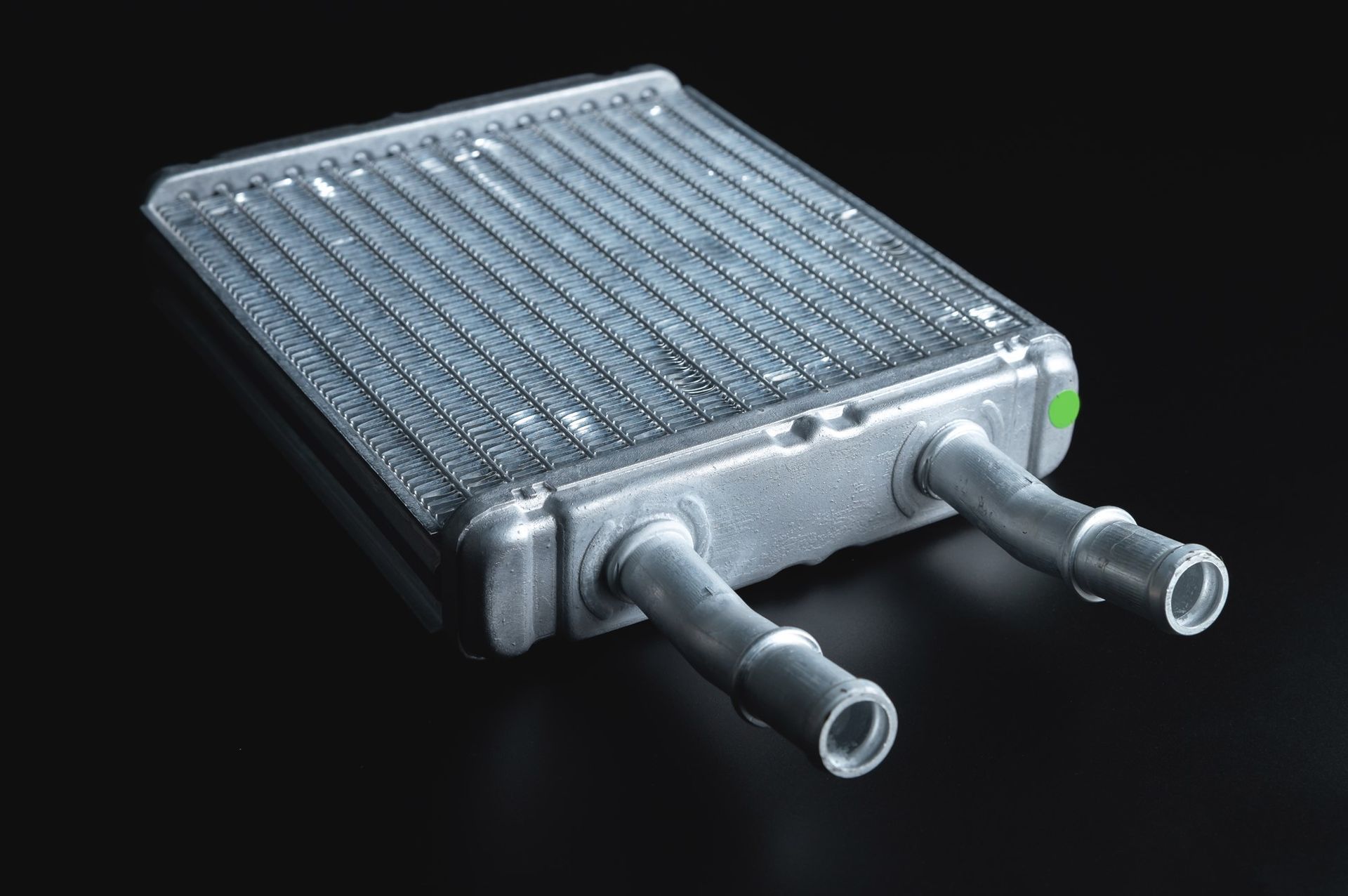
Winter is the worst time for your car’s heater to be acting up. The heater core is responsible for warming up the air when you increase the temperature. It also warms the air for the defroster so you can see out the windshield despite the frigid air. Let’s look at the leading signs that your car’s heater core is going bad. Fog on the interior Maybe you’ve noticed fog is collecting on the inside of the windshield and windows in your car. There are two possible reasons for this. One is that the heater core is malfunctioning and, therefore, the defrosters aren’t working properly. The other possibility is that fog or smoke is being blown into the car’s cabin, which is also a bad sign. Either way, it’s best to have a professional mechanic check it out. Strange smells If you smell something sweet that’s reminiscent of fruit, this is one of the signs your car needs a new heater. The odd smell is the sign of a radiator fluid leak. This means that coolant is leaking into your car. Check the ground after you’ve parked the car to see how much has spilled out. Here again, you’ll want to have this problem addressed quickly by an automotive technician. Chilly passenger compartment This isn’t always a sign of a faulty heater core. It’s possible that your car has a blower motor or another part that has gone bad. That said, a lack of heat in the cabin is often due to the heater core malfunctioning. What often happens is that a hole develops in the heater core and all the warm air escapes quickly before it ever reaches the heater’s ducts. This means that cooler air is circulating inside—the exact opposite of what you want. Air isn’t flowing through the vents You turn on the heater, but there isn’t any air coming through. There are two possibilities here. One is that the blower motor is faulty, which means the fan speed doesn’t change. If you can feel a bit of residual warmth from the vents, then this is likely the case. But if you don’t feel even the slightest bit of warmth coming through, then it’s probably an issue with the heater core. Frequent coolant loss If your car is devouring coolant, this is a bad sign. It typically means there’s a coolant leak in the heater core. When you top off the coolant only to find that it’s low again the next day, bring it in right away for inspection. Cold cabin/hot engine Perhaps the interior of your car is cold—despite having the heater on—but the engine is still hot. Again, this is likely an issue with the coolant that can be linked to the heater core. The coolant is leaking before it ever gets to the engine. Are you having car heater problems? Trust the certified auto technicians at Pat Doll Automotive to get to the bottom of the issue. We’ve been offering quality services since 1937—contact our shop today to set up your first appointment!